


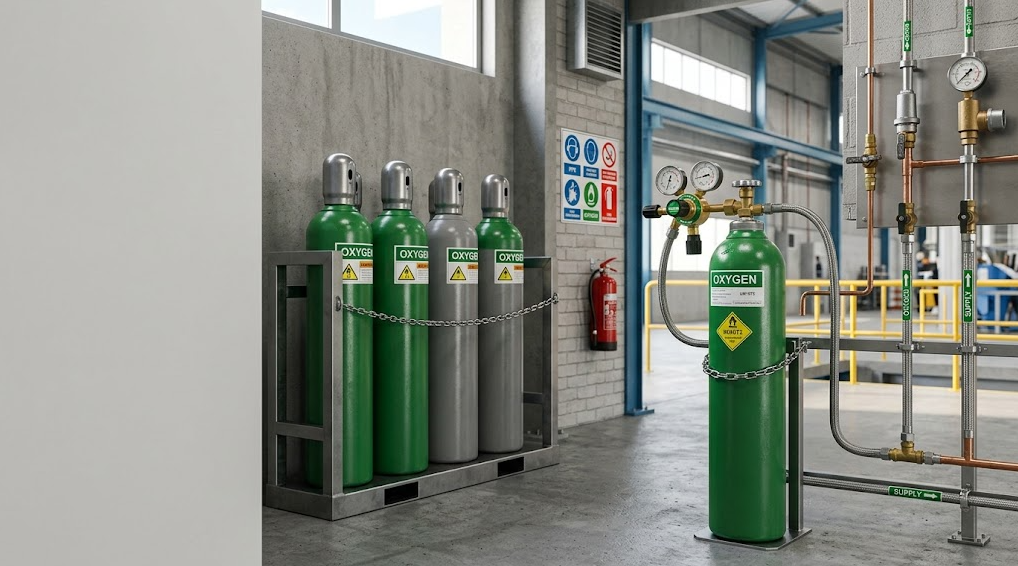


Compressed Hydrogen Cylinder: Types, Applications and Future Trends
 Author:
 Times:2026-07-15
 Read:
Read:
Key Points
- A compressed hydrogen cylinder is a high-pressure storage vessel designed to store hydrogen gas safely and efficiently for transportation, industrial use, and energy applications.
- The main types include Type I, Type II, Type III, and Type IV hydrogen cylinders, which differ in materials, weight, pressure performance, and application scenarios.
- Compressed hydrogen cylinders are widely used in fuel cell vehicles, hydrogen refueling stations, industrial hydrogen supply, and renewable energy projects.
- As hydrogen infrastructure expands globally, advanced compressed hydrogen storage technologies are becoming essential for building reliable hydrogen supply chains.
Introduction
Hydrogen is increasingly recognized as an important clean energy carrier, but its low density creates unique challenges for storage and transportation. A practical solution is the use of compressed hydrogen cylinders, which store hydrogen gas at high pressure while maintaining safety, reliability, and mobility.
Unlike conventional gas cylinders, compressed hydrogen cylinders are specifically designed to handle hydrogen’s unique characteristics, including its small molecular size, high diffusivity, and strict safety requirements.
Today, these cylinders are widely used across transportation, industrial manufacturing, hydrogen infrastructure, and renewable energy systems.
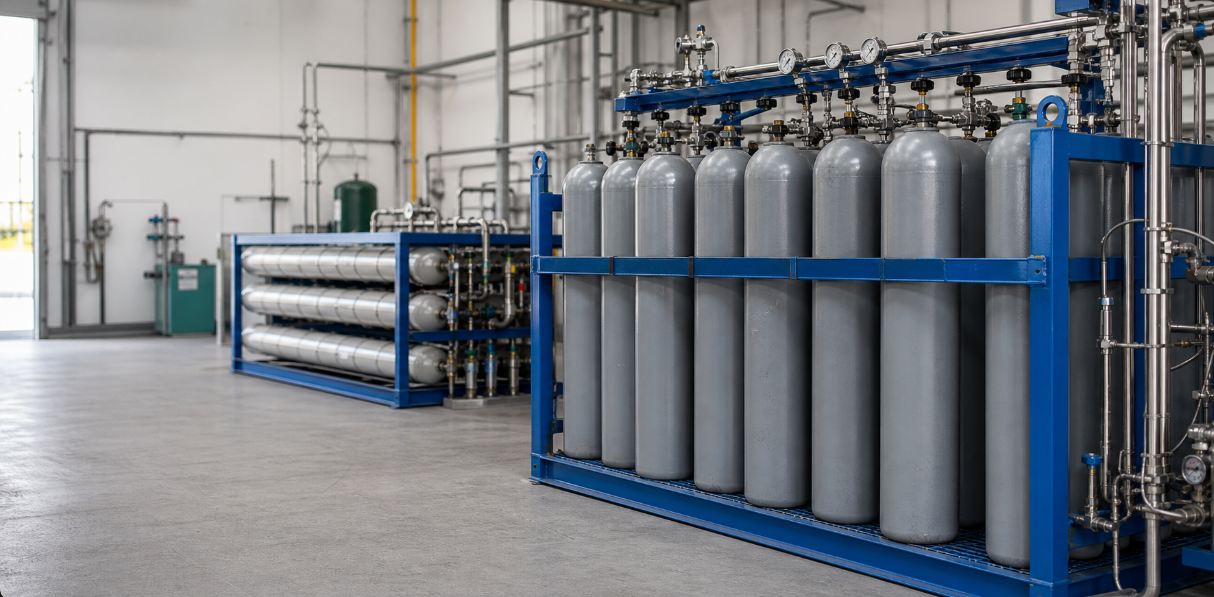
What Is a Compressed Hydrogen Cylinder?
A compressed hydrogen cylinder is a pressure vessel designed to store hydrogen gas in a compressed state, typically at high pressures such as 350 bar or 700 bar depending on the application.
By compressing hydrogen, the storage system can significantly increase the amount of hydrogen contained within a limited volume, making transportation and utilization more practical.
A typical compressed hydrogen cylinder consists of:
- Cylinder liner or pressure-bearing structure
- Reinforcement materials
- Valve and safety components
- Protective outer layers (for composite cylinders)
Compared with liquid hydrogen storage, compressed hydrogen systems do not require extremely low temperatures, making them suitable for a wider range of applications.
Types of Compressed Hydrogen Cylinders
Compressed hydrogen cylinders are generally categorized into four main types based on their materials and structural design.
| Type | Structure | Main Features | Typical Applications |
|---|---|---|---|
| Type I Hydrogen Cylinder | Fully metal cylinder | Durable, cost-effective, but heavier | Industrial hydrogen storage, stationary applications |
| Type II Hydrogen Cylinder | Metal liner with partial composite reinforcement | Improved weight performance compared with Type I | Medium-pressure storage systems |
| Type III Hydrogen Cylinder | Metal liner with full composite wrapping | Lightweight with high strength | Hydrogen vehicles, mobile applications |
| Type IV Hydrogen Cylinder | Polymer liner with full composite structure | Lowest weight, excellent corrosion resistance | Fuel cell vehicles and advanced mobility applications |
How Does a Compressed Hydrogen Cylinder Work?
A compressed hydrogen cylinder stores hydrogen by increasing gas pressure inside a specially designed pressure vessel.
The process typically includes:
1. Hydrogen Compression
Hydrogen produced from electrolysis or industrial processes is compressed using hydrogen compressors.
2. Cylinder Filling
Compressed hydrogen is transferred into the cylinder through a controlled filling system.
3. Storage and Transportation
The cylinder maintains hydrogen at high pressure until it is needed.
4. Hydrogen Delivery
Hydrogen is released through valves and pressure regulation systems for vehicles, industrial equipment, or energy applications.
The cylinder design ensures hydrogen remains safely contained during storage and operation.
Applications of Compressed Hydrogen Cylinders
Compressed hydrogen cylinders are used across multiple industries due to their flexibility and reliability.
1. Fuel Cell Vehicles
One of the most recognized applications is hydrogen-powered transportation.
Fuel cell vehicles use compressed hydrogen cylinders to store fuel onboard. The stored hydrogen reacts with oxygen inside a fuel cell to generate electricity, powering the vehicle with water as the main emission.
Applications include:
- Passenger hydrogen vehicles
- Hydrogen buses
- Heavy-duty trucks
- Commercial fleets
For mobility applications, lightweight Type III and Type IV cylinders are commonly preferred because reducing vehicle weight improves efficiency and driving range.
2. Hydrogen Refueling Stations
Hydrogen refueling stations require reliable storage systems to maintain continuous hydrogen supply.
Compressed hydrogen cylinders are used for:
- Buffer storage
- High-pressure hydrogen storage
- Refueling system integration
Large-scale storage solutions, including hydrogen tube trailers and cylinder modules, help deliver hydrogen from production facilities to stations.
3. Industrial Hydrogen Supply
Hydrogen has long been used in industrial processes, making storage technology essential.
Compressed hydrogen cylinders support industries such as:
Chemical Production
Hydrogen is used in ammonia manufacturing and chemical processing.
Petroleum Refining
Hydrogen supports refining processes including hydrocracking and desulfurization.
Electronics Manufacturing
High-purity hydrogen is required for semiconductor and advanced manufacturing processes.
Metal Processing
Hydrogen can be used in heat treatment and metal processing applications.
4. Hydrogen Transportation Systems
Because hydrogen production and consumption locations are often separated, transportation solutions are essential.
Compressed hydrogen cylinders are integrated into:
- Hydrogen tube trailers
- Hydrogen tube skids
- Mobile hydrogen storage systems
These systems enable flexible hydrogen distribution without relying entirely on pipeline infrastructure.
5. Renewable Hydrogen Storage
With the growth of green hydrogen projects, compressed hydrogen cylinders are becoming an important part of renewable energy systems.
Renewable electricity can be converted into hydrogen through electrolysis. The hydrogen can then be stored in compressed cylinders and used later for:
- Energy backup
- Grid balancing
- Industrial energy supply
Compressed Hydrogen Cylinder vs Liquid Hydrogen Storage
Both compressed hydrogen and liquid hydrogen are important storage methods, but they serve different purposes.
| Feature | Compressed Hydrogen Cylinder | Liquid Hydrogen Storage |
|---|---|---|
| Storage Method | High-pressure gas | Cryogenic liquid |
| Temperature Requirement | Normal temperature | Extremely low temperature |
| Infrastructure Complexity | Lower | Higher |
| Typical Applications | Vehicles, stations, industrial supply | Large-scale hydrogen transportation |
| Flexibility | High | Requires specialized systems |
Compressed hydrogen cylinders are often preferred when flexibility, mobility, and easier infrastructure deployment are important.
How to Choose the Right Compressed Hydrogen Cylinder?
Selecting the right cylinder depends on several factors.
Application Requirements
Vehicle applications require lightweight designs, while industrial storage may prioritize durability and capacity.
Storage Pressure
Different applications require different pressure levels, commonly including 350 bar and 700 bar systems.
Capacity Requirements
Larger hydrogen supply systems require higher-capacity storage solutions.
Material Selection
Composite materials provide weight advantages, while metal cylinders offer durability and cost benefits.
Safety Standards
Hydrogen cylinders must meet strict design and testing requirements to ensure reliable operation.
Future Development of Compressed Hydrogen Cylinders
As hydrogen adoption accelerates, compressed hydrogen cylinder technology continues to evolve.
Future developments include:
- Higher storage capacity
- Lighter composite materials
- Improved safety designs
- Lower manufacturing costs
- Integration with hydrogen infrastructure
These improvements will support wider adoption of hydrogen transportation and industrial applications.
FAQ
What is a compressed hydrogen cylinder?
A compressed hydrogen cylinder is a high-pressure storage vessel designed to store hydrogen gas safely for transportation, industrial applications, and energy systems.
What are the different types of hydrogen cylinders?
The main types are Type I, Type II, Type III, and Type IV hydrogen cylinders, classified according to their materials and structural designs.
Where are compressed hydrogen cylinders used?
They are used in hydrogen vehicles, refueling stations, industrial hydrogen supply systems, and renewable energy storage projects.
Why is hydrogen compressed for storage?
Compressing hydrogen increases its storage density, allowing more hydrogen to be stored and transported within a limited space.
Are compressed hydrogen cylinders safe?
Yes. Modern hydrogen cylinders are designed with advanced materials, safety components, and strict testing procedures to ensure reliable operation.
What is the difference between Type III and Type IV hydrogen cylinders?
Type III cylinders use a metal liner with composite reinforcement, while Type IV cylinders use a polymer liner and provide lower weight for mobility applications.
Conclusion
Compressed hydrogen cylinders are a key technology supporting the development of hydrogen infrastructure worldwide. From fuel cell vehicles and refueling stations to industrial hydrogen supply and renewable energy systems, these storage solutions provide a practical way to handle hydrogen safely and efficiently.
As demand for clean energy continues to increase, advanced compressed hydrogen cylinder technologies will remain essential for building scalable hydrogen storage and transportation networks.
Share:

Pioneering the future of clean energy,
exploring innovative hydrogen technologies
Contact us for expert storage and transportation solutions