



What is a Hydrogen Storage Vessel?
 Author:蓝能
 Times:2026-01-12
 Read:539
As the world transitions towards clean, sustainable energy sources, hydrogen is emerging as a key player in this shift. Hydrogen storage vessels are integral to this transition, providing a safe and efficient way to store hydrogen for various applications, from energy production to transportation. In this article, we will explore what hydrogen storage vessels are, how they work, and why they are critical for the future of energy, particularly in markets like Africa, South America, and the Middle East.
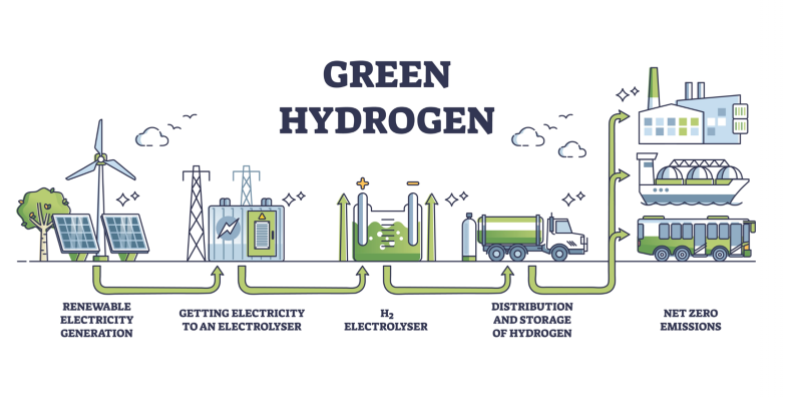
What is a Hydrogen Storage Vessel?
A hydrogen storage vessel is a container designed to store hydrogen gas in a safe and efficient manner. Hydrogen, being the lightest and most abundant element in the universe, has great potential as a clean energy source. However, it poses unique challenges when it comes to storage and transportation. Unlike conventional fuels, hydrogen has a very low density, which makes it difficult to store in large quantities.
Hydrogen storage vessels are engineered to address these challenges by storing hydrogen in a way that maximizes safety and efficiency. These vessels are built to withstand high pressures, extreme temperatures, and potential hazards associated with hydrogen. Typically, they are made of high-strength materials that can handle the pressures required to store hydrogen in a liquid or gaseous form.
Types of Hydrogen Storage Vessels
There are several types of hydrogen storage vessels, each suited for different applications and storage conditions:
1.High-Pressure Hydrogen Storage:
These vessels store hydrogen gas at high pressures, often around 700 bar (10,000 psi). This method is commonly used in hydrogen refueling stations and in transportation, where space and weight are critical considerations.
2.Cryogenic Hydrogen Storage:
Cryogenic storage vessels store hydrogen in its liquid form, which occurs at extremely low temperatures (-253°C or -423°F). This method is ideal for large-scale storage and transportation, particularly in industries that need to move hydrogen over long distances.
3.Metal Hydride Storage:
Metal hydride vessels use chemical reactions to store hydrogen in a solid form, which makes it safer to handle. The hydrogen is absorbed into metal alloys and released when needed. This method is still under research and development for broader applications.
4.Hydrogen Storage Cascades
This is a system where multiple high-pressure cylinders are used in tandem, typically seen in fuel stations for refueling vehicles. The hydrogen flows from one cylinder to another until all are emptied, offering an efficient method for hydrogen delivery.
The Importance of Hydrogen Storage Vessels
The importance of hydrogen storage vessels lies in their ability to address the fundamental challenges of hydrogen utilization. These challenges include the safe containment of hydrogen at high pressures or low temperatures and the efficient transportation of hydrogen from production points to consumption points.
In regions like Africa, where energy access is still a challenge in many areas, hydrogen storage vessels can offer a sustainable solution to energy scarcity. By storing hydrogen locally, regions without reliable electricity infrastructure can access cleaner energy alternatives. Similarly, in South America, countries like Brazil and Mexico are embracing hydrogen as part of their energy transition, and efficient hydrogen storage is critical to the widespread adoption of hydrogen fuel.
The Middle East, a region heavily reliant on fossil fuels, is increasingly exploring hydrogen as a cleaner alternative. However, due to the vast distances between hydrogen production centers and urban centers, efficient storage and transportation become crucial to the region’s hydrogen economy.
Key Benefits of Hydrogen Storage Vessels
Safety and Reliability: Hydrogen storage vessels are designed with high safety standards to minimize risks associated with hydrogen leakage or explosion. Advanced materials and robust construction techniques ensure the integrity of the vessel over time.
Energy Efficiency: Properly designed storage vessels can significantly reduce energy loss during the hydrogen storage process. High-pressure and cryogenic vessels enable better energy density, meaning more hydrogen can be stored in less space.
Scalability: Hydrogen storage vessels are scalable, making them suitable for a range of applications. Whether for small-scale hydrogen fuel stations or large-scale industrial applications, these vessels can be adapted to meet different energy demands.
Sustainability: As the world moves toward reducing its reliance on fossil fuels, hydrogen storage vessels play a vital role in supporting sustainable energy. Hydrogen, when used in fuel cells, produces only water as a byproduct, making it a clean energy source that is vital for reducing global carbon emissions.
Addressing Global Hydrogen Storage Challenges
The challenges of hydrogen storage are varied, and they differ depending on the region. In regions with limited infrastructure, such as Africa, the difficulty of storing and transporting hydrogen is exacerbated by the lack of centralized facilities. For countries in South America like Peru, where there is a strong push for clean energy solutions, there is a need for local storage solutions that can provide reliable energy without the need for expensive imports.
In Europe, where countries are aggressively pushing for hydrogen as part of their decarbonization efforts, the demand for large-scale storage and distribution systems is growing. Ensuring that hydrogen can be stored and transported efficiently across borders is critical to supporting the region's ambitious goals for carbon neutrality.
Rein-hytec's Role in the Hydrogen Storage Market
At Rein-hytec, we are committed to providing state-of-the-art hydrogen storage solutions that meet international safety standards and help address the challenges faced by regions around the world. With comprehensive manufacturing certifications and product system certifications, we ensure that all of our products meet the highest quality and safety requirements.
Our Hydrogen Storage Cascade, Hydrogen Tube Trailers, and Hydrogen Refueling Station Equipment are designed to provide efficient, scalable, and safe hydrogen storage solutions. From design and manufacturing to quality management, our processes adhere to international standards, ensuring that our products contribute to the global hydrogen economy.
Conclusion
Hydrogen storage vessels are at the heart of the hydrogen economy, enabling the safe, efficient, and scalable use of hydrogen as an energy source. As countries around the world, including Africa, South America, and the Middle East, look to hydrogen to address their energy needs, reliable storage solutions will be critical to their success. With Rein-hytec’s advanced hydrogen storage solutions, we are helping to drive the global energy transition towards a more sustainable future.
Share:

Pioneering the future of clean energy,
exploring innovative hydrogen technologies
Contact us for expert storage and transportation solutions