



How Hydrogen Refueling Stations are Changing the Fueling Infrastructure
 Author:蓝能
 Times:2026-01-05
 Read:493
As the world moves toward sustainable energy solutions, hydrogen fuel cells have become one of the most promising technologies for decarbonizing transportation and various industries. However, the widespread adoption of hydrogen-powered vehicles requires a critical infrastructure—hydrogen refueling stations. These stations play a key role in enabling the transition to a hydrogen-based economy, offering a clean alternative to fossil fuels. In this article, we will explore how hydrogen refueling stations are changing the fueling infrastructure, the challenges involved, and how Rein-hytec’s advanced solutions are helping to support this transformation in markets like Europe, South America, and the Middle East.
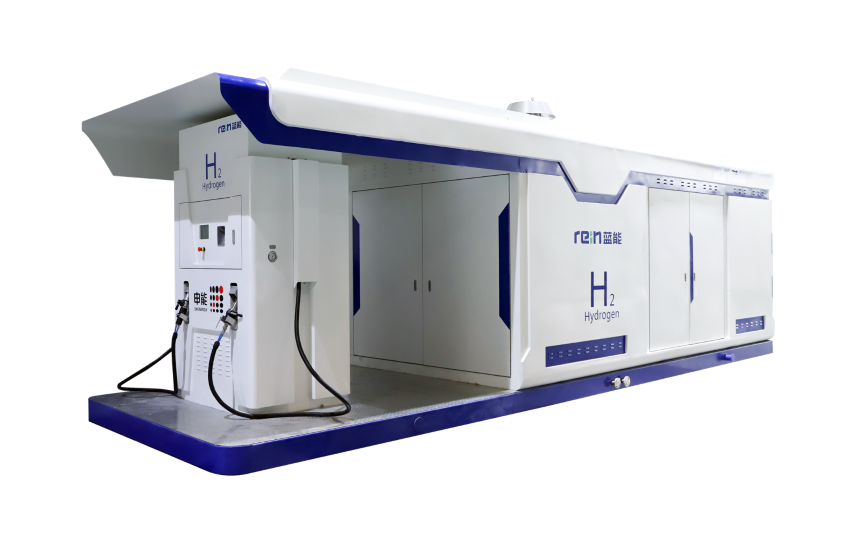
What is a Hydrogen Refueling Station?
A hydrogen refueling station (HRS) is a facility that dispenses hydrogen fuel to vehicles, primarily those powered by fuel cells. Similar to traditional gas stations, hydrogen refueling stations provide a fast, efficient, and safe means for fueling hydrogen-powered vehicles (such as buses, trucks, and passenger cars). The main difference lies in the fuel: hydrogen rather than gasoline or diesel.
Hydrogen refueling stations typically include a hydrogen storage system, a compressor for pressurizing hydrogen, dispensers for fueling vehicles, and safety mechanisms to ensure safe operation. These stations are strategically placed in locations that serve the needs of hydrogen vehicle fleets, with a growing number of refueling stations being built worldwide to support the adoption of hydrogen technology.
The Importance of Hydrogen Refueling Stations
Hydrogen refueling stations are essential for enabling the hydrogen economy. They provide the infrastructure necessary to ensure that hydrogen vehicles can travel long distances without worrying about refueling. Just like traditional fueling infrastructure, hydrogen refueling stations are crucial for the widespread adoption of hydrogen-powered vehicles.
1. Supporting Hydrogen-Powered Vehicles
Hydrogen fuel cell vehicles (FCVs) are part of the push to reduce reliance on fossil fuels and lower carbon emissions. However, for hydrogen vehicles to become mainstream, they need the support of an extensive and reliable refueling infrastructure. Without a network of hydrogen refueling stations, it would be impossible for consumers and businesses to confidently adopt hydrogen-powered vehicles.
2. Environmental Benefits
The environmental impact of hydrogen fuel cell vehicles is one of the main drivers of the hydrogen economy. When used in fuel cells, hydrogen produces only water vapor as a byproduct, making it a zero-emission fuel. Hydrogen refueling stations play an important role in promoting cleaner transportation solutions, contributing to the reduction of greenhouse gases, and supporting global sustainability goals.
How Hydrogen Refueling Stations Work
A hydrogen refueling station operates in a similar way to traditional fuel stations but with specialized equipment to handle hydrogen gas safely. Here’s a breakdown of the process:
1.Hydrogen Storage:
Hydrogen is delivered to the station in either gaseous or liquid form and stored in high-pressure tanks. This storage system ensures that the hydrogen is ready for use in fueling vehicles.
2.Compression:
Hydrogen must be stored at high pressure (typically around 700 bar or 10,000 psi) to make it more compact for transport and storage. The station uses compressors to increase the pressure of hydrogen to this level before dispensing it.
3.Dispensing:
The dispensing process involves a nozzle that is similar to a conventional gas station pump. However, the nozzle for hydrogen is specially designed to handle the high pressures of hydrogen gas. Once the vehicle is aligned with the dispenser, the driver initiates the fueling process.
4.Safety Mechanisms:
Given the flammability of hydrogen, refueling stations are equipped with advanced safety features, including leak detectors, pressure relief devices, and automatic shutoff systems. These mechanisms are critical to ensuring that hydrogen fueling is conducted safely.
Global Hydrogen Refueling Infrastructure Development
While hydrogen-powered vehicles have been in development for several decades, the infrastructure to support them is still in its infancy in many parts of the world. Europe has led the way with a robust hydrogen refueling network, with stations already in operation in countries like Germany, the Netherlands, and the UK. These stations support not only hydrogen-powered passenger vehicles but also buses and trucks, which are seen as a crucial part of the push toward decarbonizing transportation.
In South America, countries like Brazil and Mexico are increasingly exploring hydrogen as a clean energy alternative. For these regions, hydrogen refueling stations represent a new frontier in sustainable infrastructure. Brazil’s energy sector, which is heavily dependent on renewable resources, is an ideal candidate for adopting hydrogen as a fuel source for public transport and industrial use. Mexico, with its growing automotive industry, is also working to integrate hydrogen solutions, including refueling stations.
The Middle East, traditionally reliant on oil, is also turning toward hydrogen as part of its strategy to diversify its energy mix. Saudi Arabia, the UAE, and other Gulf countries have launched initiatives to develop hydrogen infrastructure, including refueling stations, to power hydrogen vehicles and support industries such as shipping and heavy-duty transport.
Challenges in Building Hydrogen Refueling Stations
Despite their importance, the development of hydrogen refueling stations faces several challenges:
High Capital Costs: The initial investment required to build a hydrogen refueling station is high due to the specialized equipment and safety systems needed.
Hydrogen Production: While hydrogen is abundant, producing it in an environmentally sustainable way (e.g., using renewable energy) remains a challenge. Many hydrogen refueling stations still rely on hydrogen produced from natural gas, which can negate the environmental benefits of hydrogen.
Infrastructure Expansion: For hydrogen vehicles to become widespread, a global network of refueling stations needs to be built. This requires significant investment and coordination across governments, energy companies, and automakers.
Public Awareness: There is still a lack of awareness about hydrogen-powered vehicles and their refueling infrastructure. Educating the public about the benefits of hydrogen fuel and the safety of hydrogen refueling is essential for widespread adoption.
Rein-hytec’s Role in Hydrogen Refueling Infrastructure
At Rein-hytec, we are at the forefront of hydrogen refueling technology, providing high-quality Hydrogen Refueling Station Equipment designed to meet international safety and performance standards. With our expertise in hydrogen storage and refueling solutions, we offer robust, reliable, and scalable systems that ensure safe and efficient hydrogen fueling.
Our Hydrogen Refueling Stations are engineered with advanced safety mechanisms, cutting-edge storage technologies, and easy-to-use dispensers. Whether for commercial fleets, public transport, or passenger vehicles, our solutions are designed to meet the needs of the growing hydrogen economy, helping to accelerate the transition to a cleaner, more sustainable future.
With our comprehensive manufacturing certifications and commitment to international standards, Rein-hytec provides the infrastructure and support necessary to make hydrogen-powered vehicles a viable alternative to fossil fuels.
Conclusion
Hydrogen refueling stations are transforming the global fueling infrastructure, providing a sustainable, zero-emission alternative to traditional gasoline and diesel stations. As countries around the world—especially in Europe, South America, and the Middle East—work to develop hydrogen infrastructure, the need for reliable, efficient refueling stations becomes increasingly important. Rein-hytec’s cutting-edge solutions are helping to shape the future of hydrogen fueling, supporting the transition to a cleaner, greener energy future.
Share:

Pioneering the future of clean energy,
exploring innovative hydrogen technologies
Contact us for expert storage and transportation solutions