


Rein Advances Offshore Green Hydrogen Development with Hydrogen Storage and Compression Technology
 Author:
 Times:2026-10-21
 Read:
Key Takeaways
-
Rein supplied two steel-lined, carbon-fiber hoop-wound gas cylinder bundle containers and one diaphragm compressor for the Shenhai Hydrogen No. 1 project.
-
The equipment is designed to address key offshore hydrogen engineering requirements, including limited installation space, fluctuating renewable power output, and demanding marine operating conditions.
-
The project demonstrates the role of reliable hydrogen storage and compression equipment in advancing offshore wind-to-hydrogen applications.
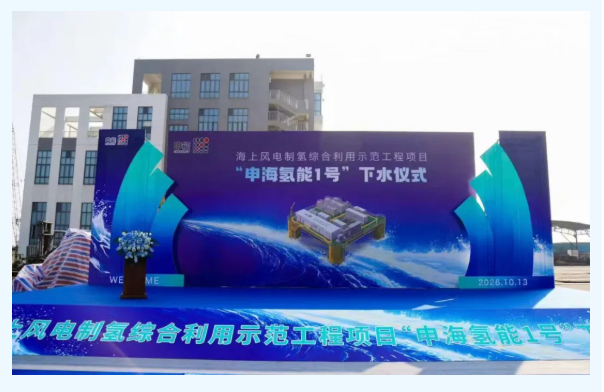
Rein Contributes Hydrogen Storage and Compression Equipment to Shenhai Hydrogen No. 1
The launch ceremony for the Shenhai Hydrogen No. 1 offshore wind-to-hydrogen comprehensive utilization demonstration project was recently held in Jiangmen, Guangdong Province, China. Led by Shenergy Group's R&D investment, the project brings together advanced offshore engineering and hydrogen technologies to explore the potential of converting offshore wind power into green hydrogen.
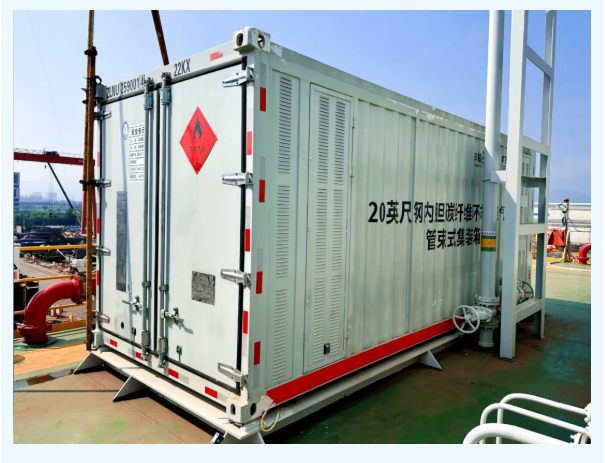
Rein participated in the project's hydrogen storage and transportation technology development, supplying two steel-lined, carbon-fiber hoop-wound gas cylinder bundle containers and one diaphragm compressor. These systems are intended to support hydrogen storage and pressurization within the platform's integrated process system.
Described as China's first offshore hydrogen production platform to obtain China Classification Society (CCS) classification inspection and statutory maritime inspection, Shenhai Hydrogen No. 1 is also recognized as the world's first semi-submersible offshore wind-to-hydrogen platform. The project is expected to enter the South China Sea for green hydrogen demonstration applications, exploring new approaches to utilizing offshore wind resources.
Rein's participation reflects its experience in developing hydrogen storage and transportation solutions for demanding energy applications.
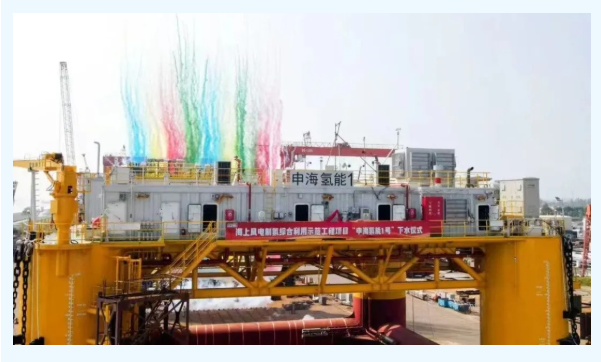
Engineering Challenges of Offshore Hydrogen Production
Offshore wind-to-hydrogen projects combine renewable electricity generation, hydrogen production, compression, storage, and potentially subsequent transportation or utilization. Integrating these processes on an offshore platform introduces several engineering challenges.
Limited Installation Space and Equipment Weight
Unlike conventional onshore hydrogen facilities, offshore platforms must accommodate equipment within carefully allocated spaces. Equipment dimensions, weight, installation access, and maintenance requirements all influence system design.
Hydrogen storage equipment therefore needs to balance storage capacity with structural and spatial constraints. Modular configurations can also help simplify equipment arrangement and maintenance planning.
Fluctuating Offshore Wind Power
Wind power output changes with weather and operating conditions. When renewable electricity is used for hydrogen production, variations in power availability can affect hydrogen production rates and downstream process requirements.
Compression equipment must be selected and integrated according to the process design, expected operating range, and required hydrogen supply conditions. Stable operation depends on the coordination of the compressor, hydrogen production system, storage equipment, and control strategy.
Marine Environmental Conditions
Offshore equipment may be exposed to salt spray, humidity, vibration, and other demanding environmental conditions. Materials, protective treatments, structural design, and maintenance planning are important considerations when preparing equipment for marine applications.
These requirements make equipment selection and system integration essential to the safe and reliable operation of offshore hydrogen facilities.
Rein's Hydrogen Storage Solution: Steel-Lined, Carbon-Fiber Hoop-Wound Gas Cylinder Bundle Containers
For the Shenhai Hydrogen No. 1 project, Rein supplied two steel-lined, carbon-fiber hoop-wound gas cylinder bundle containers to support hydrogen storage.
Compared with conventional all-steel cylinder bundle containers, composite-wound storage designs can offer advantages in weight and storage density, depending on the design specifications and operating conditions. These characteristics are particularly relevant to offshore applications, where equipment weight and installation space can affect overall platform design.
Key considerations for this type of hydrogen storage equipment include:
-
Weight optimization: Composite reinforcement can help reduce equipment weight compared with certain all-steel configurations.
-
Hydrogen storage performance: Storage capacity and density depend on the cylinder design, working pressure, and overall system configuration.
-
Mechanical durability: The cylinder structure must be designed and qualified for its intended pressure, fatigue cycles, and operating environment.
-
Modular integration: Containerized equipment can support organized installation and integration into a wider hydrogen process system.
-
Offshore application requirements: Equipment selection must account for the platform's structural limits, environmental exposure, inspection requirements, and applicable safety standards.
For hydrogen projects with different storage and supply requirements, Rein also provides hydrogen storage and transportation solutions. The appropriate configuration should be determined by the required storage capacity, working pressure, installation conditions, and project-specific technical requirements.
Diaphragm Compressor for Offshore Hydrogen Pressurization
In addition to the storage containers, Rein supplied one diaphragm compressor for the project. Hydrogen compression is an important step in many hydrogen systems, helping bring gas to the pressure required by downstream storage, processing, or supply equipment.
A diaphragm compressor uses a flexible metal diaphragm to separate the process gas from the hydraulic drive mechanism. This design can help limit direct contact between hydrogen and moving mechanical components, making diaphragm compressors a relevant option for applications that require gas containment and purity control.
For an offshore platform, compressor integration must consider several factors:
-
Compact equipment arrangement: A modular layout can help make efficient use of limited platform space.
-
Process adaptability: The compressor and control system need to accommodate the operating conditions defined by the hydrogen production and storage process.
-
Gas containment: Sealing performance is an important consideration when handling hydrogen.
-
Environmental protection: Materials, protective measures, and installation design should account for the intended marine environment.
-
System coordination: Compressor operation must be coordinated with hydrogen production, storage capacity, pressure requirements, and process controls.
The compressor supplied for Shenhai Hydrogen No. 1 was developed for the project's specified operating requirements. Actual performance depends on the selected configuration and the platform's operating conditions.
To learn more about Rein's equipment for suitable hydrogen applications, visit its hydrogen compression equipment and filling station solutions. Compressor selection should always be based on project-specific parameters, including inlet and outlet pressure, flow rate, gas purity requirements, and operating conditions.
How Hydrogen Storage and Compression Support Offshore Wind-to-Hydrogen Systems
An offshore wind-to-hydrogen system typically connects renewable electricity generation with hydrogen production and downstream handling processes. Depending on the project design, its main stages may include:
-
Offshore wind power generation: Wind turbines generate electricity for the platform's process systems.
-
Hydrogen production: An electrolyzer uses electricity to produce hydrogen from water.
-
Hydrogen conditioning and compression: The hydrogen is processed and compressed to meet the requirements of the downstream system.
-
Hydrogen storage: Storage equipment holds the hydrogen at the specified pressure and capacity.
-
Subsequent utilization or transportation: Hydrogen may be transferred, transported, or used according to the project's process design.
The exact configuration varies with the platform's design, hydrogen production capacity, storage strategy, and intended end use. Storage and compression equipment must therefore be selected as part of the integrated system rather than as isolated components.
Rein's experience in gas storage and compression equipment supports the development of hydrogen infrastructure for different application scenarios. More information about its technological innovations is available on the company's website.
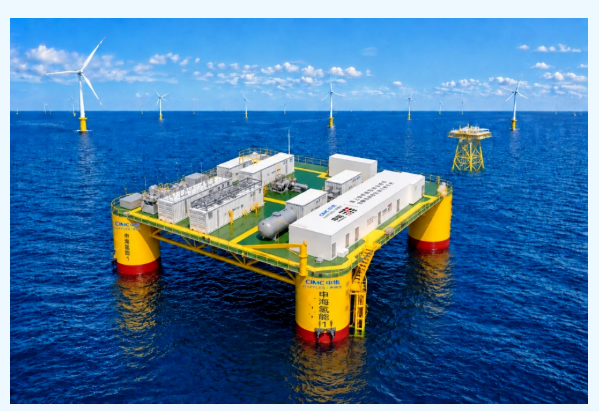
Advancing the Application of Offshore Green Hydrogen
Offshore wind-to-hydrogen technology offers a potential route for utilizing renewable energy resources located far from shore. However, practical deployment depends on more than hydrogen production alone. Storage, compression, equipment integration, marine environmental protection, and long-term maintenance all influence project feasibility.
The Shenhai Hydrogen No. 1 demonstration project provides an opportunity to explore how offshore engineering and hydrogen technologies can work together under real operating conditions. Rein's contribution of hydrogen storage containers and a diaphragm compressor addresses two important parts of this process: hydrogen storage and pressurization.
As offshore renewable energy projects develop, equipment designed around specific pressure requirements, installation constraints, and operating environments will remain important to building reliable hydrogen systems.
About Rein
Rein develops gas storage, transportation, and compression equipment for industrial gas and hydrogen applications. Its product and solution portfolio supports different hydrogen infrastructure requirements, from storage and transportation to compression-related equipment.
Explore Rein's hydrogen storage and transportation equipment to learn more about available solutions for your project.
Planning a hydrogen storage or compression project? Contact Rein to discuss your technical requirements, operating conditions, and equipment configuration.
Share:

Pioneering the future of clean energy,
exploring innovative hydrogen technologies
Contact us for expert storage and transportation solutions


