


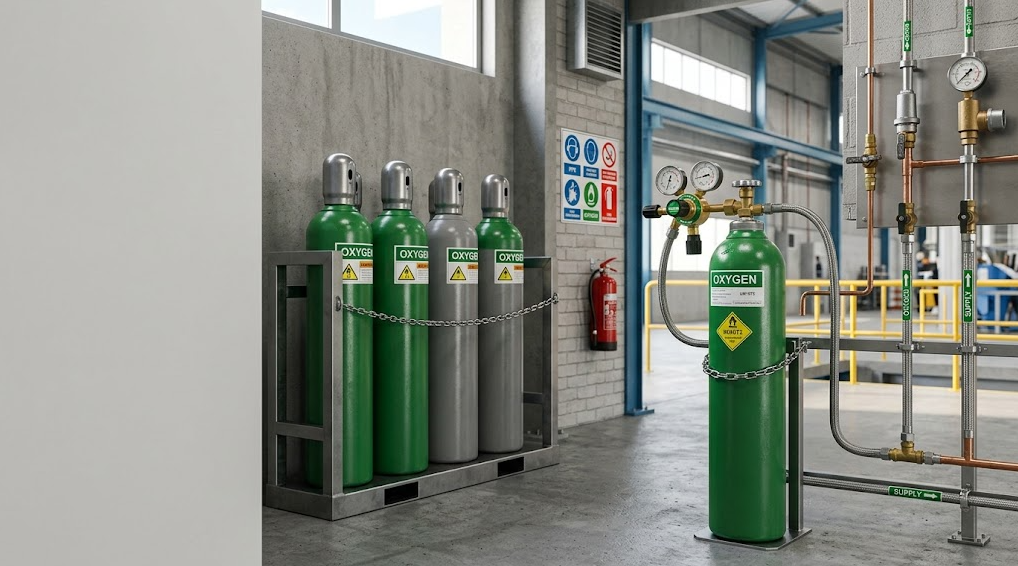


What Is a Hydrogen Tank Used For?
 Author:
 Times:2026-07-08
 Read:
Read:
Key Points
- A hydrogen tank is used to store and transport hydrogen safely under high pressure or cryogenic conditions for different industrial and energy applications.
- Hydrogen tanks are widely used in fuel cell vehicles, hydrogen refueling stations, industrial hydrogen supply, renewable energy storage, and transportation systems.
- The type of hydrogen tank required depends on factors such as storage pressure, capacity, application environment, and transportation requirements.
- As hydrogen infrastructure expands, advanced storage solutions are becoming essential for the development of clean energy systems.
Introduction
Hydrogen tanks play a critical role in the growing hydrogen economy by providing a safe and efficient way to store, transport, and supply hydrogen. Unlike conventional fuels, hydrogen has a very low molecular weight and requires specialized storage technologies to maintain sufficient energy density.
So, what is a hydrogen tank used for?
A hydrogen tank is mainly used for storing compressed or liquid hydrogen and delivering it to where it is needed. These tanks support a wide range of applications, from hydrogen-powered vehicles and refueling stations to industrial manufacturing and renewable energy projects.
What Is a Hydrogen Tank?
A hydrogen tank is a specialized pressure vessel designed to store hydrogen gas or liquid hydrogen under controlled conditions.
Because hydrogen molecules are extremely small and can easily escape through materials, hydrogen storage systems require advanced designs, high-strength materials, and strict safety controls.
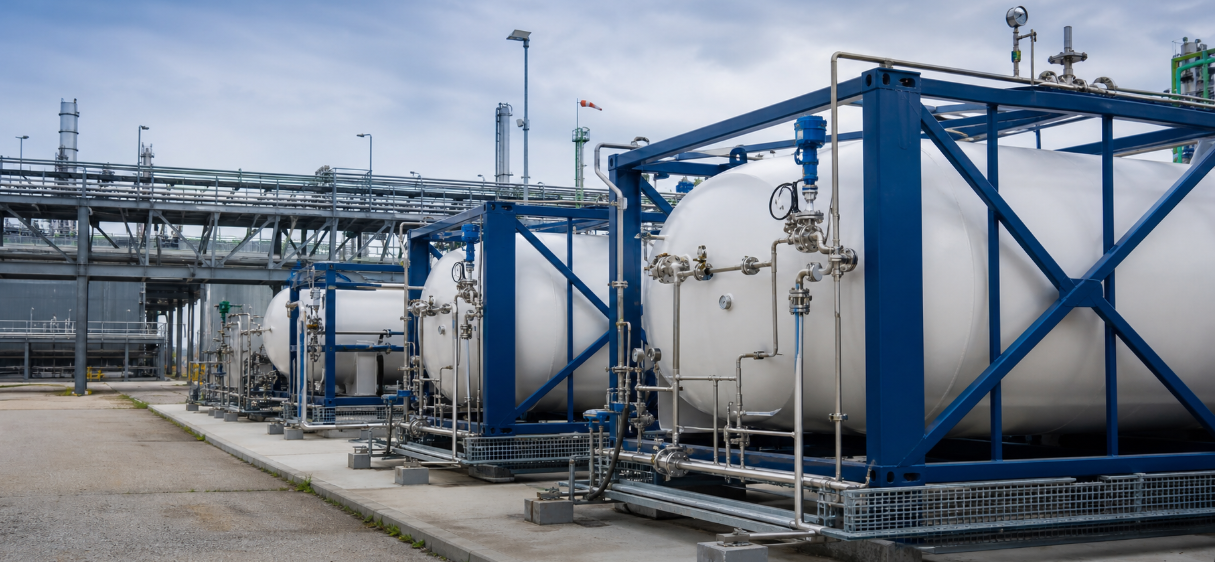
Depending on the application, hydrogen tanks can be designed for:
- High-pressure compressed hydrogen storage
- Liquid hydrogen storage at extremely low temperatures
- Stationary hydrogen storage systems
- Mobile hydrogen transportation
Common hydrogen tank types include:
- Type I metal hydrogen cylinders
- Type II composite reinforced cylinders
- Type III composite cylinders with metal liners
- Type IV fully composite hydrogen tanks
- Large hydrogen storage modules and tube skids
Main Applications of Hydrogen Tanks
Hydrogen tanks are used across transportation, industry, energy storage, and infrastructure projects. The following are the most common applications.
1. Hydrogen Fuel Cell Vehicles
One of the most recognized applications of hydrogen tanks is storing fuel for hydrogen-powered vehicles.
Fuel cell vehicles use hydrogen stored in high-pressure tanks to generate electricity through a fuel cell system. The electricity then powers an electric motor, producing only water vapor as the main emission.
Hydrogen tanks are used in:
- Passenger fuel cell vehicles
- Hydrogen buses
- Heavy-duty trucks
- Commercial fleets
- Hydrogen-powered specialty vehicles
For transportation applications, hydrogen tanks must meet strict requirements for:
- High-pressure performance
- Lightweight design
- Crash safety
- Long service life
2. Hydrogen Refueling Stations
Hydrogen refueling stations require reliable storage systems to receive, store, and dispense hydrogen to vehicles.
Hydrogen tanks are used as buffer storage units that maintain sufficient hydrogen supply during vehicle refueling operations.
A typical hydrogen refueling station may include:
- Hydrogen storage tanks
- Compression equipment
- Cooling systems
- Dispensing equipment
Large-capacity storage solutions, such as hydrogen tube trailers and storage skids, are often used to deliver hydrogen from production facilities to refueling stations.
Tube-trailer payload, delivery frequency and compressor inlet pressure can materially influence hydrogen refueling station cost.
3. Industrial Hydrogen Supply
Hydrogen has been widely used in industrial applications for decades, and storage tanks remain an essential part of hydrogen supply systems.
Industries using hydrogen tanks include:
Chemical Manufacturing
Hydrogen is used in processes such as ammonia production and chemical synthesis.
Petroleum Refining
Refineries use hydrogen for hydroprocessing and sulfur removal processes.
Electronics Manufacturing
High-purity hydrogen is required for semiconductor production and specialized manufacturing processes.
Metal Processing
Hydrogen can be used in heat treatment and metal reduction applications.
In these industries, hydrogen tanks provide a reliable storage solution to ensure continuous production.
4. Renewable Energy Storage
As renewable energy sources such as solar and wind become more widely adopted, hydrogen is increasingly considered a long-duration energy storage solution.
Excess renewable electricity can be used to produce hydrogen through electrolysis. The hydrogen can then be stored in tanks and converted back into electricity when needed.
Hydrogen storage tanks support:
- Green hydrogen projects
- Renewable energy integration
- Grid balancing
- Energy backup systems
This allows hydrogen to act as an energy carrier between electricity production and energy consumption.
5. Hydrogen Transportation and Distribution
Hydrogen tanks are also used to transport hydrogen from production facilities to end users.
Because hydrogen pipelines are not available everywhere, mobile storage solutions are often required.
Examples include:
- Hydrogen tube trailers
- Hydrogen tube skids
- Large-capacity hydrogen storage cylinders
- Hydrogen transport modules
These systems enable flexible hydrogen delivery for:
- Refueling stations
- Industrial facilities
- Remote energy projects
Hydrogen Tank Applications by Industry
| Industry | Hydrogen Tank Application |
|---|---|
| Transportation | Fuel storage for hydrogen vehicles |
| Energy | Renewable hydrogen storage and backup power |
| Chemical Industry | Hydrogen supply for production processes |
| Oil Refining | Hydroprocessing applications |
| Electronics | High-purity hydrogen storage |
| Hydrogen Infrastructure | Refueling stations and distribution |
Why Are Hydrogen Tanks Important?
The development of hydrogen infrastructure depends heavily on reliable storage technology.
Hydrogen has excellent energy potential, but its low density creates challenges for storage and transportation. Hydrogen tanks solve this challenge by allowing hydrogen to be compressed, contained, and delivered efficiently.
Modern hydrogen storage systems help improve:
Energy Security
Hydrogen storage allows energy to be stored and transported when and where it is needed.
Clean Energy Development
Hydrogen tanks support the transition from fossil fuels to cleaner energy systems.
Industrial Reliability
Reliable hydrogen storage ensures continuous operation for industries that depend on hydrogen supply.
How to Choose the Right Hydrogen Tank?
Selecting a hydrogen tank depends on several technical factors:
Application Requirements
A vehicle hydrogen tank and an industrial storage tank have completely different design requirements.
Storage Pressure
Common compressed hydrogen systems operate at different pressure levels depending on the application.
Capacity Requirements
Large-scale projects usually require higher-capacity storage solutions compared with mobility applications.
Transportation Needs
Mobile hydrogen supply systems require lightweight and durable designs.
Safety Standards
Hydrogen storage equipment must comply with relevant pressure vessel and hydrogen safety standards.
Future Trends in Hydrogen Storage Technology
The demand for hydrogen storage solutions is expected to grow as more countries invest in clean hydrogen infrastructure.
Future developments include:
- Higher-capacity hydrogen storage systems
- Lightweight composite materials
- Improved hydrogen transportation solutions
- Integrated hydrogen energy systems
- Large-scale renewable hydrogen storage
These technologies will help reduce the cost and improve the efficiency of hydrogen supply chains.
FAQ
What is a hydrogen tank used for?
A hydrogen tank is used to store and transport hydrogen safely for applications including fuel cell vehicles, hydrogen stations, industrial supply, and renewable energy systems.
Where are hydrogen tanks used?
Hydrogen tanks are used in transportation, chemical manufacturing, energy storage projects, electronics production, and hydrogen infrastructure.
Are hydrogen tanks only used for vehicles?
No. While hydrogen vehicles are a well-known application, hydrogen tanks are also widely used for industrial hydrogen storage, transportation, and energy projects.
How is hydrogen stored in a tank?
Hydrogen is commonly stored as compressed gas under high pressure or as liquid hydrogen at extremely low temperatures, depending on the application.
What types of hydrogen tanks are available?
Common types include metal cylinders, composite cylinders, and large-scale hydrogen storage systems designed for different pressure and capacity requirements.
Conclusion
Hydrogen tanks are essential components of modern hydrogen infrastructure. They are used not only for fuel cell vehicles but also for industrial hydrogen supply, refueling stations, renewable energy storage, and hydrogen transportation.
As hydrogen continues to become an important clean energy carrier, advanced hydrogen storage technologies will play a key role in building reliable and scalable hydrogen ecosystems.
Share:

Pioneering the future of clean energy,
exploring innovative hydrogen technologies
Contact us for expert storage and transportation solutions